
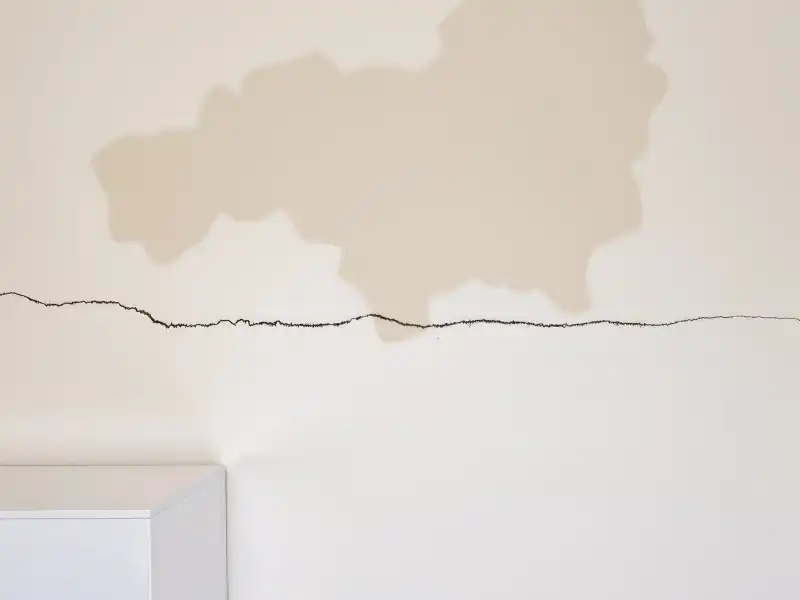
Interior Clues That Signal Water Intrusion
Most homeowners wait until water drips onto their ceiling before taking action, but by that point, significant damage has already occurred. The earliest indicators of concealed moisture penetration appear far from the actual entry point, making them easy to overlook during routine home maintenance.
Start your inspection in the attic, where temperature fluctuations between seasons make problems more visible. In La Verne and throughout the San Gabriel Valley, our dry summers followed by occasional winter storms create a distinctive pattern: leaks that develop during December and January rains may leave subtle staining that persists through the warmer months. Look for discolored patches on wooden rafters or ceiling joists, even if they appear dry to the touch. These marks indicate past water contact and suggest an active vulnerability that will reappear when precipitation returns.
Check insulation carefully for compressed or darkened sections. Water weighs down fiberglass batts and changes their texture, leaving them matted even after drying. Run your hand gently across insulation surfaces near roof penetrations like chimneys, vents, and skylights. Any area that feels damp, unusually cold, or noticeably different in texture warrants closer examination.
Inside living spaces, examine ceilings and upper walls for subtle irregularities. Small water rings, paint that appears slightly bubbled or peeling near corners, or faint discoloration along seams between ceiling and wall can all indicate moisture traveling through the roof assembly. These signs often appear in rooms directly below valleys, roof-to-wall transitions, or areas where two roof planes meet, as these junctions are common failure points in membrane and flashing systems.
If you notice any of these interior warning signs, documenting them with photos can help identify the source before minor moisture intrusion escalates into costly structural repairs.
External Indicators on Your Roof Surface
Walking your property’s perimeter several times per year provides valuable information about roof condition. You do not need to climb onto the surface; many critical signs are visible from ground level using binoculars or from an upper-story window.
Focus on shingle integrity first. Curling edges, missing granules that expose the black asphalt underneath, or individual shingles that appear cracked or broken all create pathways for water entry. In areas with intense sun exposure, particularly south-facing slopes common in Southern California, thermal cycling accelerates material degradation. Shingles that look perfectly intact from a distance may show significant granule loss up close, reducing their ability to shed water effectively.
Pay special attention to roof penetrations and transitions. Flashing around chimneys, vent pipes, and skylights should sit flush against both the roof surface and the vertical structure, with no gaps, lifted edges, or visible sealant deterioration. Rusted or corroded flashing indicates age and potential failure points. Similarly, examine the valleys where two roof planes intersect. Debris accumulation in valleys blocks water flow and forces moisture under shingle edges, creating entry points that remain hidden until significant damage occurs.
Gutters and downspouts offer additional diagnostic information. After a rain event, watch how water exits your roof. Overflowing gutters or water sheeting off roof edges in unexpected locations suggests drainage problems that can lead to water backing up under roofing materials. In communities throughout the Inland Empire, where occasional heavy downpours follow long dry periods, gutters often fill with accumulated debris that restricts flow, increasing leak risk during sudden storms.
Document any concerns you observe during these exterior inspections. Photographs taken from the same vantage point at regular intervals create a visual timeline that helps identify progressive deterioration. When you notice changes, contacting a local roofing company for a detailed assessment ensures small issues receive attention before they compromise your home’s structure.
Testing Methods You Can Perform Safely
Beyond visual observation, simple testing methods help confirm suspicions about concealed moisture without requiring specialized training or expensive equipment.
A moisture meter, available at most hardware stores for under fifty dollars, detects water content in building materials that appears dry to the eye. Press the meter’s pins against ceiling surfaces, wall corners, and wood trim in areas where you suspect water intrusion. Readings above fifteen percent in wood indicate elevated moisture that requires investigation. Take measurements in multiple locations, including areas you believe are unaffected, to establish a baseline for comparison. Consistently higher readings near specific roof sections help pinpoint the leak’s likely location.
The touch-and-smell method, while less precise, often reveals problems missed by visual inspection alone. Run your hands along ceiling surfaces in suspect areas, feeling for temperature differences or subtle texture changes. Moisture-affected drywall often feels cooler than surrounding areas and may have a slightly rough or powdery texture where paint has begun to break down. A musty or earthy odor, particularly in attics or upper-level closets, indicates biological growth triggered by persistent dampness.
During or immediately after rainfall, conduct an active water test by observing your home’s interior while precipitation occurs. Position yourself in the attic or upper-level rooms and watch for active dripping, water traveling along rafters, or moisture appearing on surfaces. This real-time observation often reveals the water’s path and entry point more clearly than examining dried stains. In La Verne’s climate, where rain events are infrequent but sometimes intense, taking advantage of storm conditions to trace active leaks provides valuable diagnostic information.
For areas where you can safely access the roof from a ladder, a gentle water test using a garden hose can simulate rain conditions in a controlled manner. Have a second person inside the home watching for water entry while you slowly run water over suspected problem areas, starting low on the roof and working upward. This method requires caution and should only be attempted on stable, low-slope sections where you can maintain secure footing.
If your testing reveals moisture or you remain uncertain about what you’ve found, scheduling a property inspection provides clarity and prevents guesswork about necessary repairs.
Seasonal Patterns and Timing Your Inspections
Timing your inspections to coincide with seasonal changes significantly improves your ability to detect problems early. Different times of year reveal distinct types of vulnerabilities, and establishing a regular inspection rhythm ensures nothing goes unnoticed for extended periods.
Late autumn represents the ideal time for a thorough pre-winter assessment. Before the rainy season arrives in Southern California, typically beginning in November or December, examine your roof for any deterioration that occurred during the hot, dry summer months. UV exposure and thermal expansion can compromise sealants, flashings, and shingle adhesion during the extended heat, leaving your roof vulnerable when precipitation finally arrives. Clearing gutters and checking drainage systems in October or early November prevents water backup during the first significant storms.
Immediately following winter storms, conduct brief visual inspections both inside and outside your home. Fresh water stains or newly appeared damp spots indicate active leaks that require prompt attention before the next weather system arrives. In areas served throughout the San Gabriel Valley and Inland Empire, where multiple storm systems may pass through between December and March, catching problems early in the season prevents cumulative damage from repeated exposure.
Spring offers an opportunity to assess any damage that occurred during the wet season. By April or May, after rainfall has ended but before summer heat intensifies, examine your attic and interior spaces for lingering moisture, new staining, or areas that appear to dry slowly. Persistent dampness during the dry season indicates either ongoing leaks from sources other than rain (such as plumbing or HVAC condensation) or structural damage that retains water.
Mid-summer inspections focus on heat-related deterioration. Check for shingles that have lifted, curled, or lost significant granules due to thermal stress. Examine attic ventilation to ensure adequate airflow prevents moisture buildup from temperature differentials between indoor and outdoor air. Poor ventilation can create condensation that mimics leak symptoms, particularly in homes with insufficient ridge or soffit vents.
Establishing a quarterly inspection routine, with more detailed assessments in fall and spring, creates a proactive maintenance approach that identifies vulnerabilities before they escalate. Keeping a simple log of inspection dates and observations helps track changes over time and provides valuable information when discussing concerns with roof repair services.
If you’re concerned about concealed moisture affecting your property, whether residential or commercial, scheduling a detailed roof inspection provides the clarity needed to address issues before they compromise your building’s structural integrity. Taking action now prevents the significantly higher costs associated with deferred maintenance and helps protect your investment for years to come.
When to Schedule a Detailed Evaluation
Once you have identified potential vulnerabilities through inspection and testing, implementing a structured maintenance schedule addresses small issues before they evolve into catastrophic failures. The most effective approach combines routine tasks with targeted interventions based on what your inspections reveal.
Gutter cleaning ranks among the most impactful preventive measures. In La Verne and throughout the San Gabriel Valley, the combination of eucalyptus leaves, pine needles, and seasonal pollen creates dense debris accumulations that trap moisture against fascia boards and roof edges. During the dry months from May through October, this organic material becomes a fire hazard; when winter rains arrive, it transforms into a water-trapping sponge that forces moisture under shingles and into wall cavities. Clearing gutters and downspouts at least twice annually, ideally in late spring and again in early winter before the rainy season intensifies, prevents the majority of perimeter leak scenarios.
Trim back tree branches that overhang your roof surface by at least six feet. Overhanging limbs drop debris directly onto the roof, and in windy conditions common to the Inland Empire foothills, they can scrape protective granules from shingles or even puncture the surface. The shade they create also prevents proper drying after rain events, extending the period moisture remains on your roof and increasing the likelihood of algae growth and material degradation.
Sealant around roof penetrations such as vent pipes, skylights, and chimney flashings deteriorates over time due to ultraviolet exposure and temperature cycling. Inspect these areas annually and reapply appropriate roofing sealant when you notice cracking, separation, or missing sections. This fifteen-minute task per penetration often prevents leaks that would otherwise require extensive roof repair services to address once water intrusion damages underlying structures.
Document your maintenance activities with dated photographs and written notes. This record helps you track recurring problem areas, demonstrates proper care if you file an insurance claim, and provides valuable information to future inspectors or buyers if you sell the property. A simple spreadsheet noting the date, weather conditions, observations, and actions taken creates a maintenance history that significantly improves your ability to spot developing patterns before they cause serious harm.
If you are uncertain about any aspect of what you observe during your inspections, or if your testing methods suggest moisture presence but you cannot locate the source, scheduling a thorough evaluation by qualified roof inspection services provides the detailed assessment needed to protect your investment. Early intervention based on accurate diagnosis consistently proves far less expensive than emergency repairs after structural components have sustained water damage.